“We Need to Move to Exchange Trading”: Kazakh Entrepreneur Proposes a Way to Stabilise Food Prices
The pandemic clearly demonstrated that food security is one of humanity’s most important fundamental values. Even when incomes decline, consumers still allocate a significant share of their spending to food. That is why maintaining stable prices for vegetables and essential food products on the domestic market is a strategically important task for both the government and business.
A Kazakh entrepreneur has proposed a specific, practical plan to address the issue. The approach involves developing logistics infrastructure, regulating the number of intermediaries and introducing modern exchange-trading mechanisms.
Where Price Stability Begins
According to the businessman, the first step toward price stability should focus on everyday essentials.
“Our idea is to start by producing potatoes, which people rightly call the ‘second bread’. After that, we plan to fully take on the cultivation of the main vegetables from the so-called ‘soup set’: carrots, beets and onions,” the entrepreneur said.
Keeping prices for these vegetables under control is part of the social mission of any marketplace. Experience shows that shoppers tend to go where vegetables are cheaper. A market is a socially important place visited by pensioners, students and civil servants who understand the value of their work and money.
Infrastructure Shortage: Why Vegetable Prices Rise
Traditionally, during the autumn harvest season, farm-gate prices fall sharply. However, just 2–3 months later, closer to the New Year, prices begin to rise rapidly, reaching their peak in spring.
The main reason for this dynamic is a severe shortage of infrastructure for properly storing harvested crops. To prevent vegetables from spoiling, farmers are forced to sell them quickly at reduced prices.
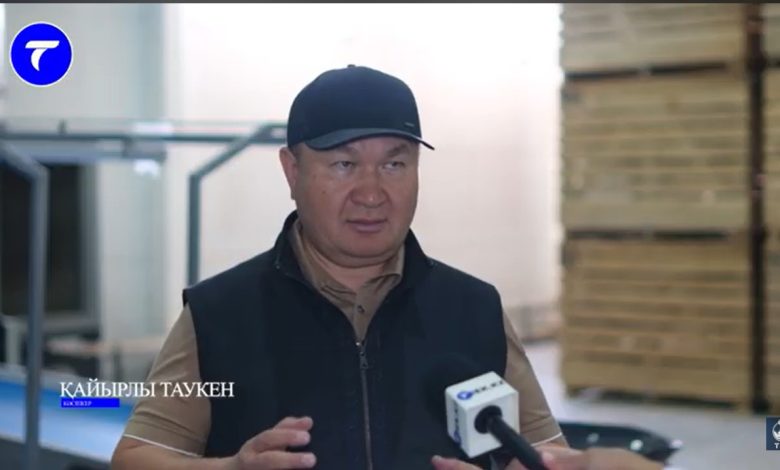
To change this situation, the entrepreneur built a modern vegetable storage facility with a capacity of 7,000 tonnes on 2.5 hectares of land allocated by the government.
“If business owners who operate large retail outlets also pay attention to this issue and build their own warehouses, we will be able to supply the market with stable products throughout the year. With a permanent stock in storage, it is possible to forecast prices for each month in advance,” he explained.
The situation in 2023 is cited as an example. Due to weak infrastructure, potato prices jumped from 140–160 tenge to 500 tenge. Today, such sharp fluctuations are being avoided because farmers receive advance financing through Social Entrepreneurial Corporations (SEC), while storage locations for their produce are agreed upon in advance.
Can Intermediaries Be Eliminated Overnight?
There is a widespread belief that prices can be reduced by completely and immediately removing intermediaries from the market. The entrepreneur, however, believes the process should be handled carefully, gradually regulating a system that has developed naturally.
At present, many farmers simply cannot sell their products directly because the necessary infrastructure is not yet in place:
- Livestock farmers who bring meat to the market do not always know whom to sell different parts of the carcass to.
- Experienced intermediaries who have worked in the sector for decades quickly distribute the products: bones go to canteens, tenderloin goes to restaurants, and products are often supplied on consignment.
If this established system were dismantled overnight, store shelves could become empty and prices could rise even further.
The main alternative proposed by the businessman is to grow, store and supply products to retailers directly. Only in this way can unnecessary links in the form of speculators naturally disappear from the market.
Moving to Exchange Trading
The businessman proposes stabilising food prices not through administrative bans and artificial restrictions, but through market mechanisms. The main tool, in his view, is international experience with exchange trading.
| Stage | Strategic Steps | Implementation Period |
|---|---|---|
| Stage I | Independent production of basic vegetables (the “soup set”). | 1–2 years |
| Stage II | Development of a warehouse network and infrastructure for year-round storage. | 2–3 years |
| Stage III | Introduction of an exchange-trading system in the food and vegetable sectors. | 3–5 years |
“We do not live under socialism anymore; we live in a market economy. Therefore, prices should be governed by the laws of supply and demand. Over the next 3–5 years, exchange trading will enter our market as well. Our main task now is to prepare all the necessary infrastructure for this,” the entrepreneur concluded.
If the proposed five-year strategic plan is successfully implemented, Kazakhstan could develop a stable and affordable food market in which products reach consumers directly from producers, without unjustified intermediary markups.
You can watch the full interview on Tiek’s YouTube channel: